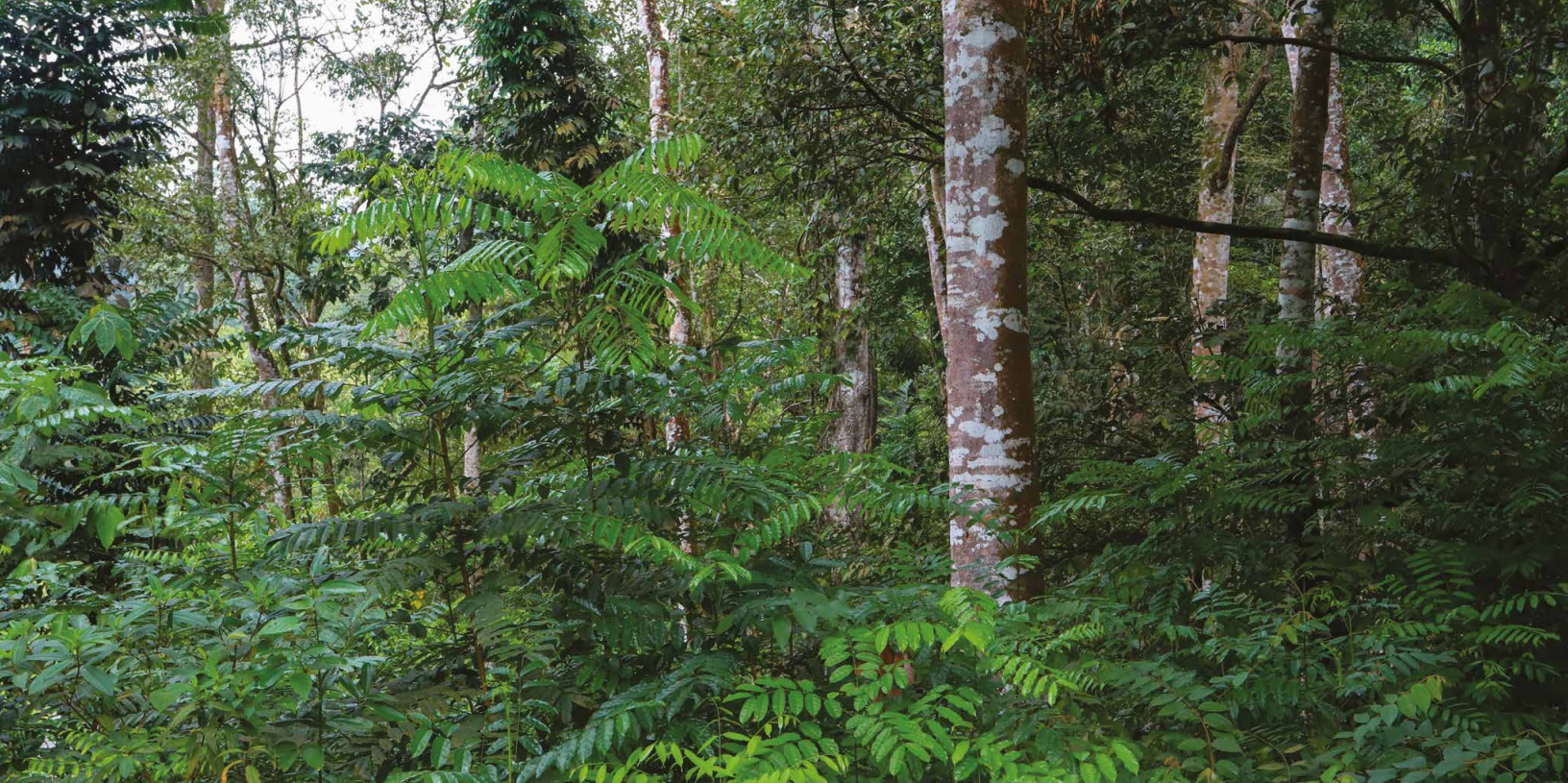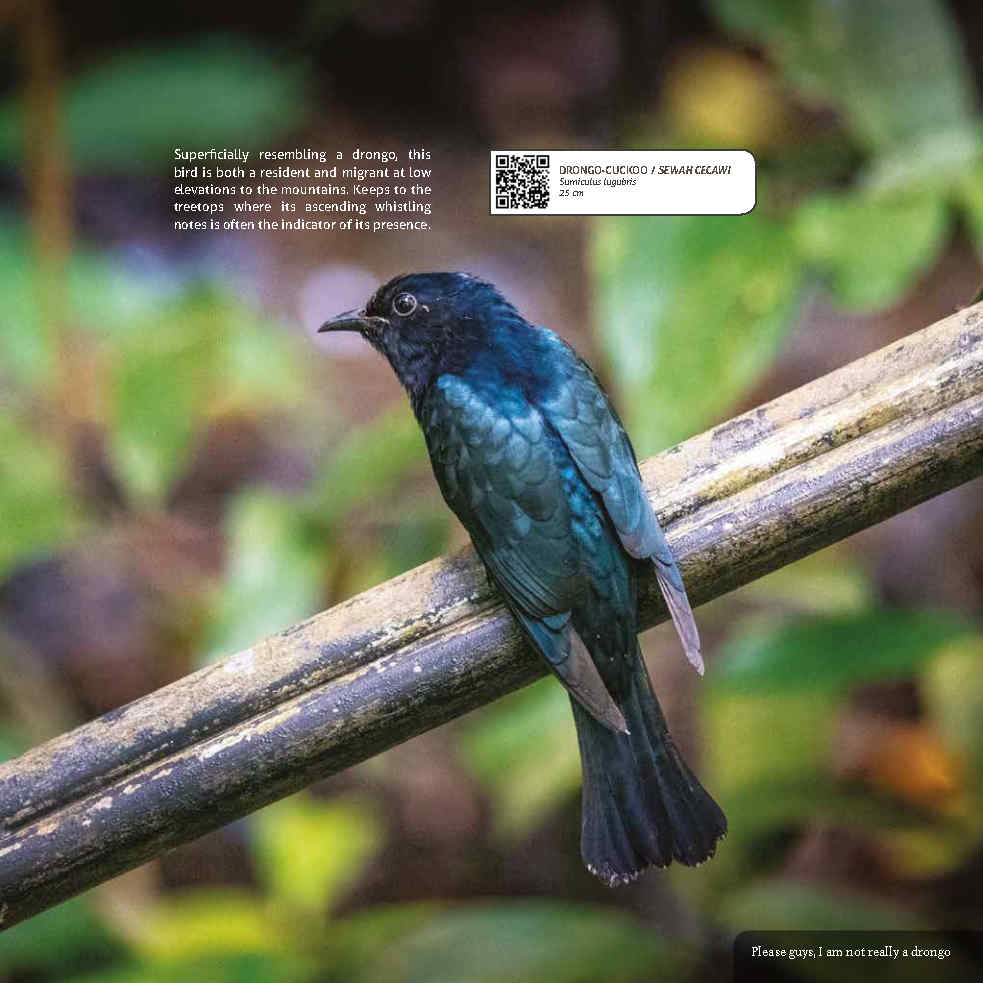
Lowland secondary forest begins at sea level and extend to 750 meters above sea level. This habitat includes undergrowth, plants, palms, ferns etc. But these areas are dominated by a group of large evergreen trees belonging to the Dipterocarpaceae family. Sadly, logging, agriculture and urbanization have encroached into many lowland forests compromising bird habitats.
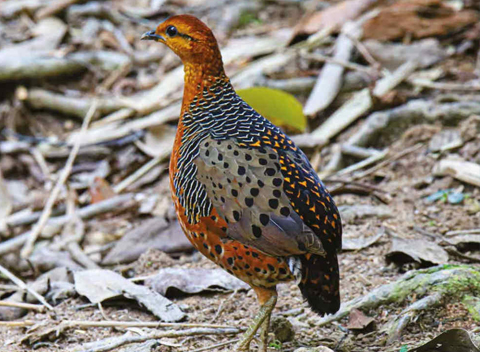
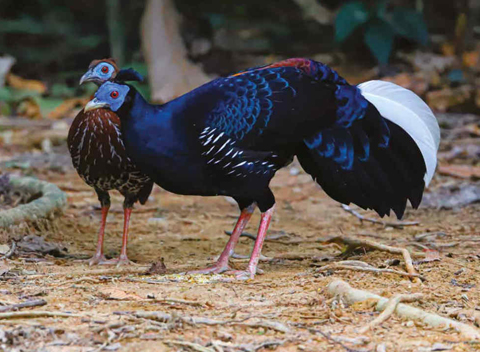
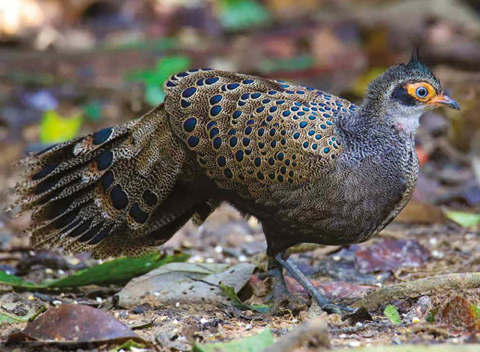
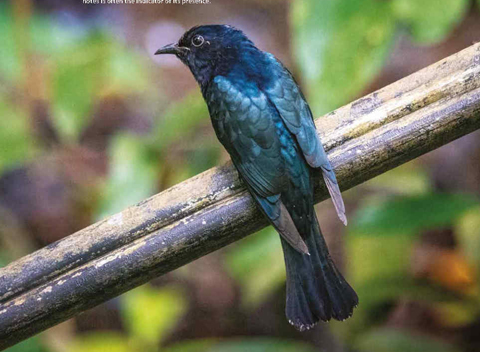
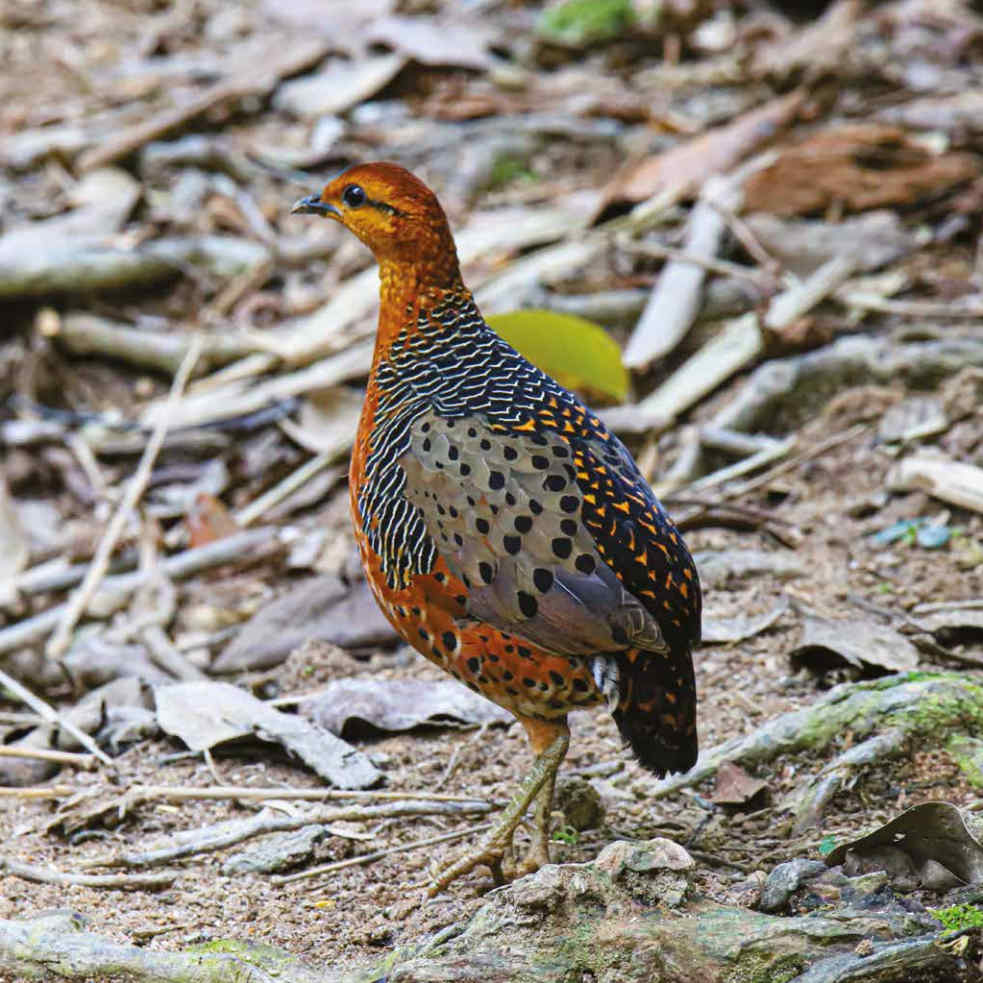
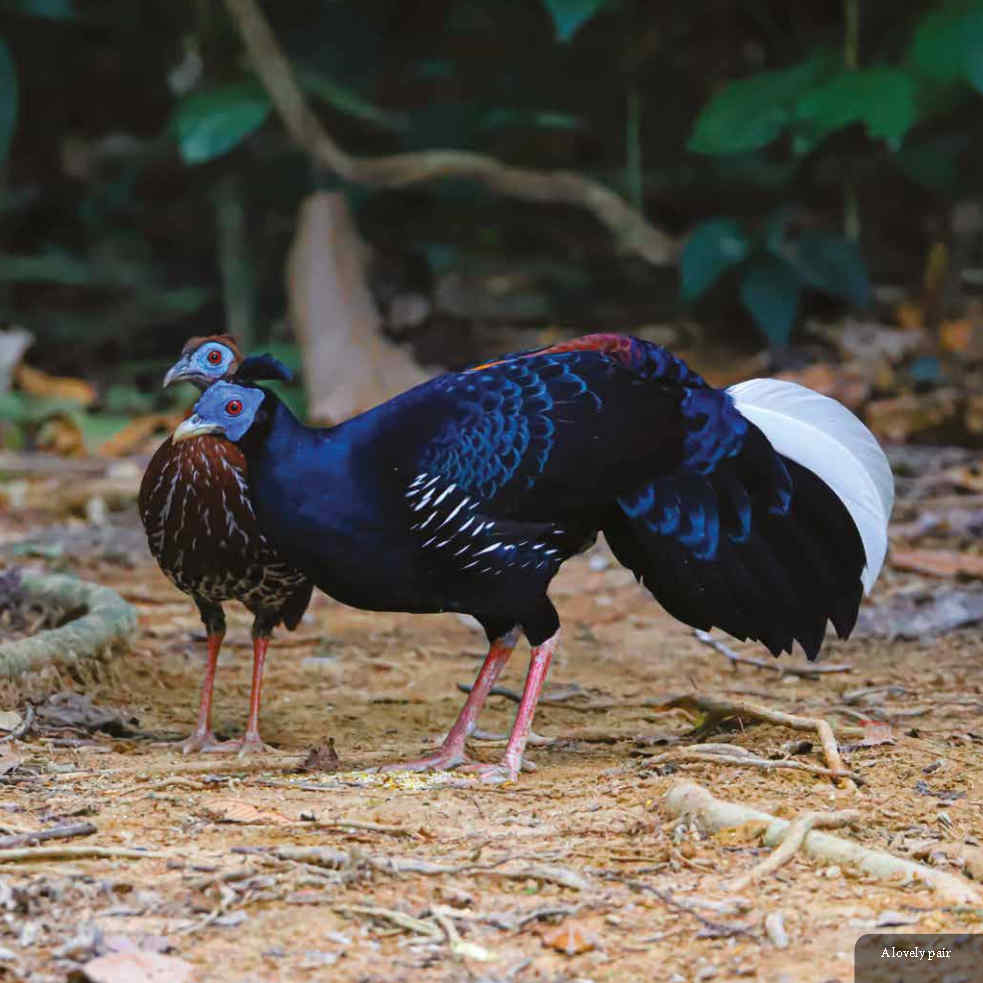
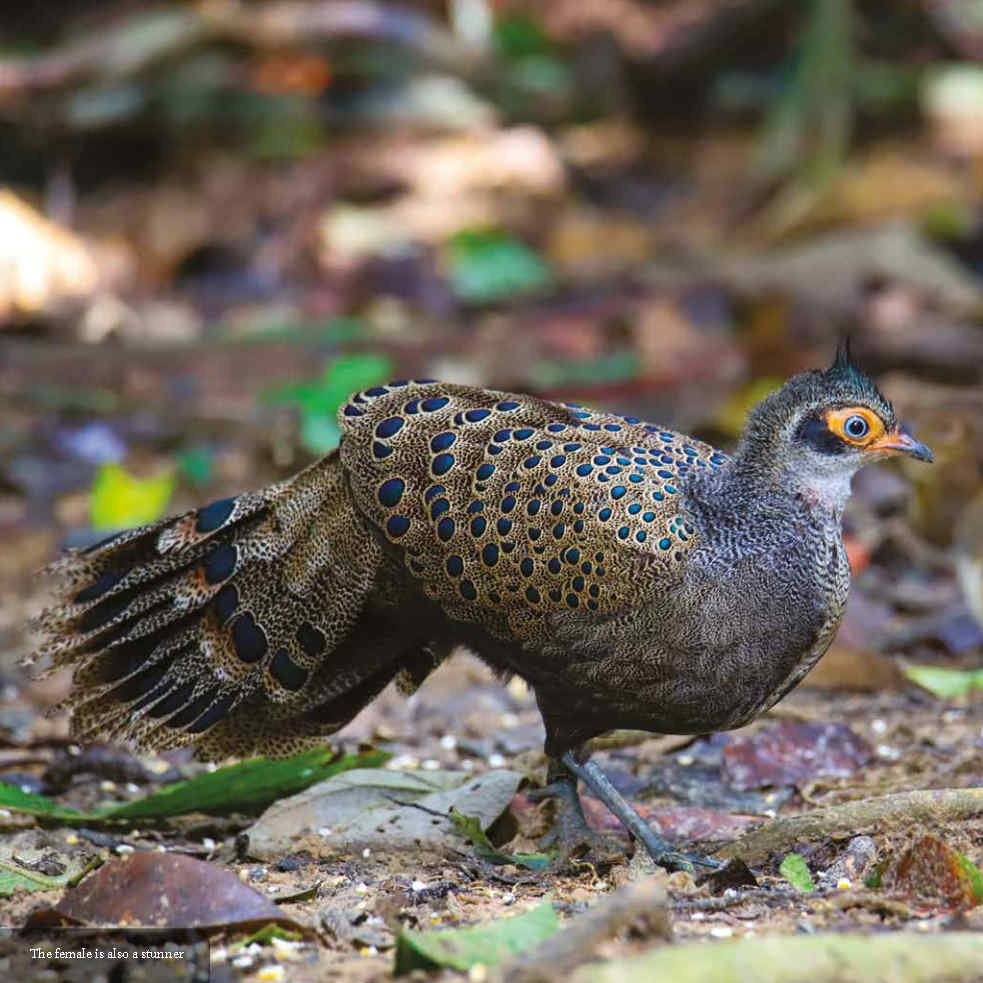
The rich flora including fruiting trees and figs support a diversity of wild life and a large community of birds. Different species of birds are found in the five different zones (ground storey, lower storey, middle storey, canopy and emergent level) within this category. The list of lowland forest birds is extensive. It includes pheasants, partridges, hornbills, flycatchers, thrushes, bulbuls, babblers and warblers.
Forest and recreational parks are usually listed in this category of habitats. These parks are usually crowded during public and school holidays because admission is free. Some parks e.g. Taman Negara and the Rainforest Discovery Center in Sepilok impose a nominal charge. Motor-cyclists in most forest reserves especially in Peninsular Malaysia are a source of irritation for bird lovers. Littering is rife in most of these parks despite attempts by park authorities to curtail it.
Birding is usually pleasant. But I have occasionally experienced boorish behavior by some particularly in lowland and montane rainforests. Most birders are very courteous, quiet and observe birding ethics.
At the Rainforest Discovery Center in Sepilok a local birder spent two days guiding and helping my husband and I and refusing payment for his work and time.
Many Malaysian birders are generally helpful and readily shared information on birding locations and the type of birds they saw.
On one occasion I saw a birding group using flashes to take pictures of pheasants despite the protests of their Malaysian guide. They stopped only after my husband intervened to explain that they could be injuring the eyesight and health of the birds.
Have you ever noticed some birders clearing leaves and even re-arranging the spots frequented by birds like pheasants, partridges, pittas? We have seen this often in lowland and montane rainforest locations. It saddens me to see that some birders have no qualms about disturbing the habitats just to get clearer and sharper images.
Apart from mosquitoes and leech bites, I had an unforgettable experience at Taman Negara where I was chased by a wild pig. My husband who was resting nearby heard my screams and rushed to my aid after I dropped my camera and fled. The wild pig stopped in its tracks when it saw my husband. Unfortunately my lens was damaged ending my birding adventure for the day